
Rescuing London’s first robotic parking vault
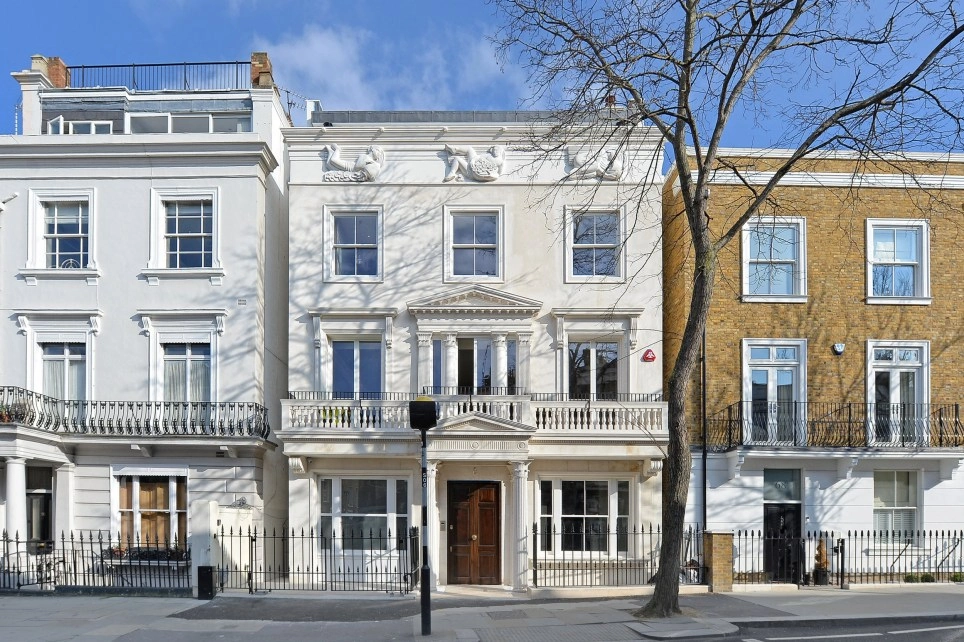
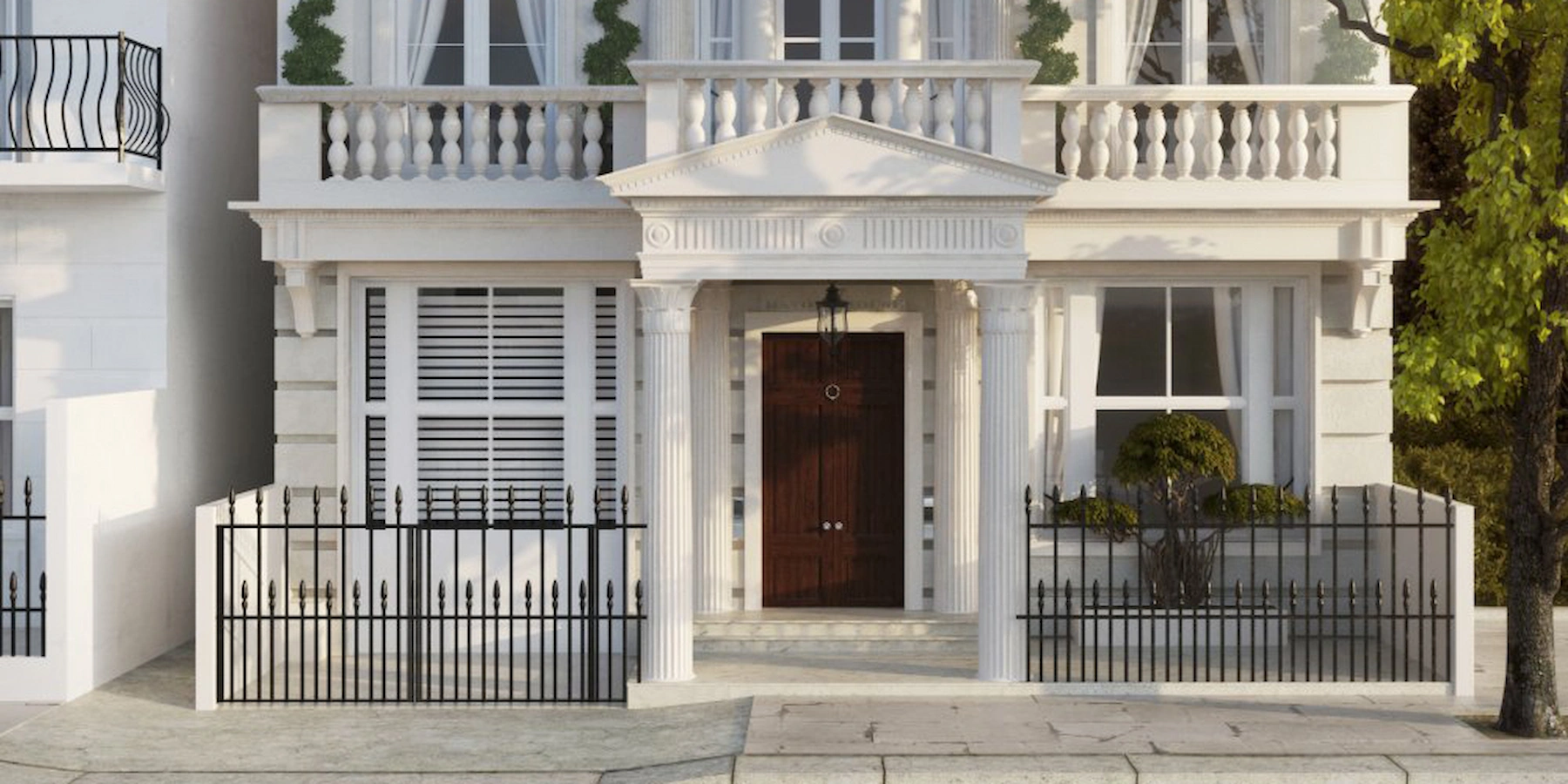
Havona House is a seven-story luxury private residence in Notting Hill, one of London’s most exclusive addresses, with three subterranean levels beneath a listed neighborhood at 57 Pembridge Villas. In late 2017, ParkPlus was brought in to rescue a stalled installation: a previously fitted robotic parking system had proven defective, and a fully operational replacement was needed within two months.
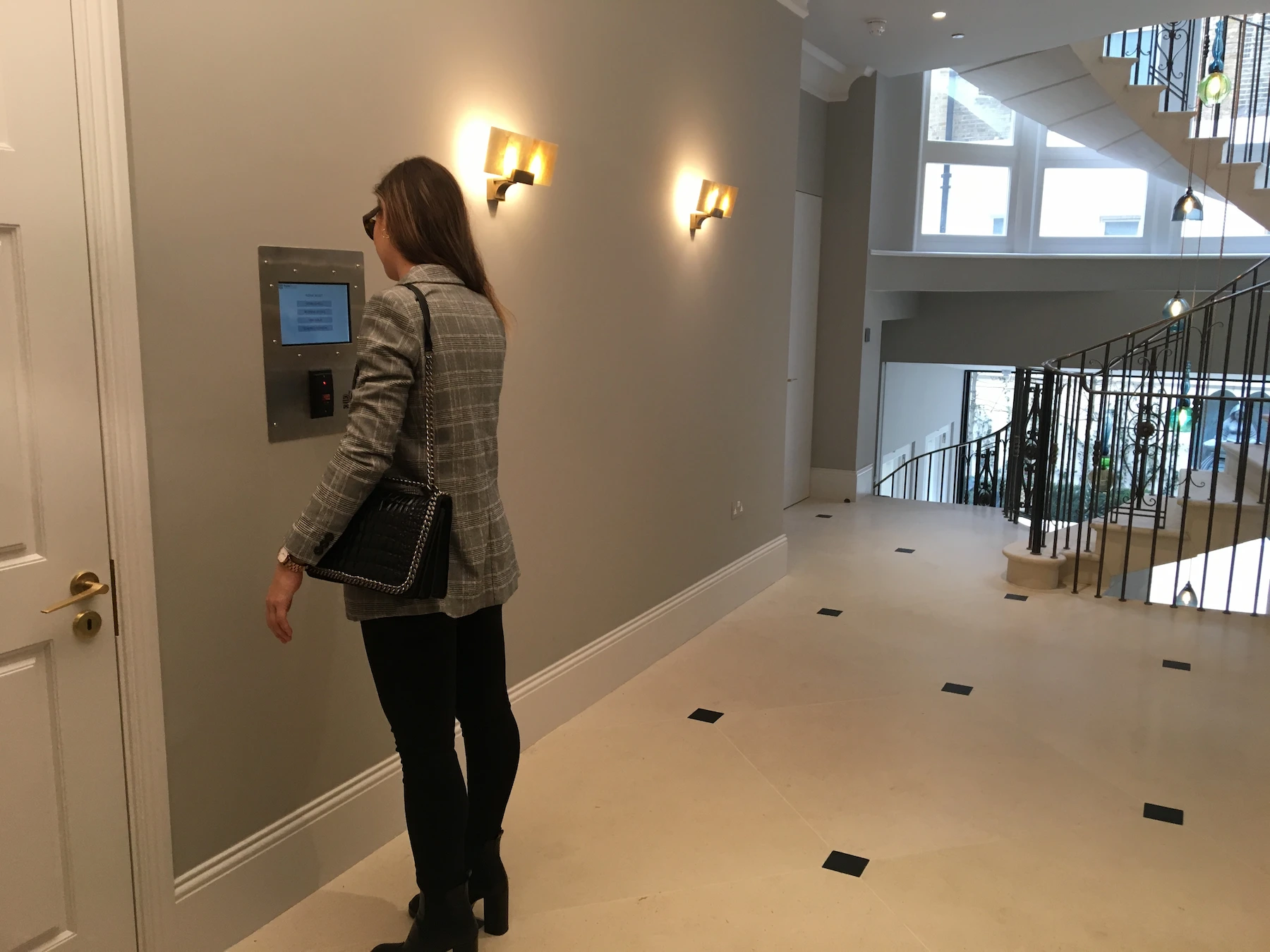
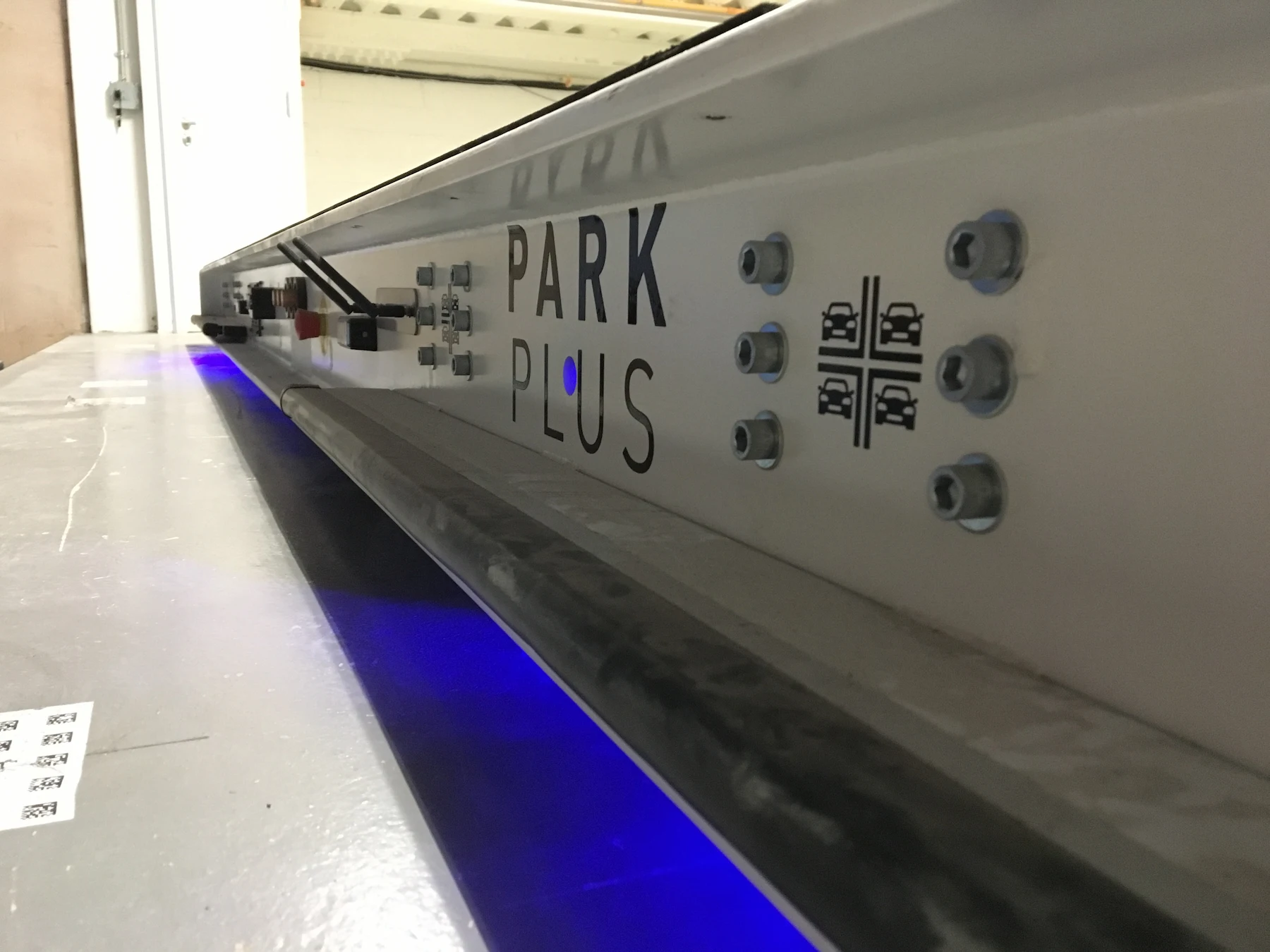
The ParkPlus AGV was the only solution that could be engineered for the existing vault without expanding the structure. Free-roaming, battery-operated AGV robots navigate autonomously using laser sensors, vision systems, floor markers, and traffic management software. Vehicles are driven into a ground-level loading bay, lowered to the parking vault, and then handled entirely by the robotic unit, which lifts each vehicle on a tray, rotates it 180 degrees, and stores it in the designated position. Retrieval is triggered on demand via a mobile app.
ParkPlus coordinated the installation with CE Lift, a specialist local partner, completing the system within the required timeframe. This project was the first ParkPlus AGV installation in Europe and the first robotic valet parking system of its kind in London.
Project Photos
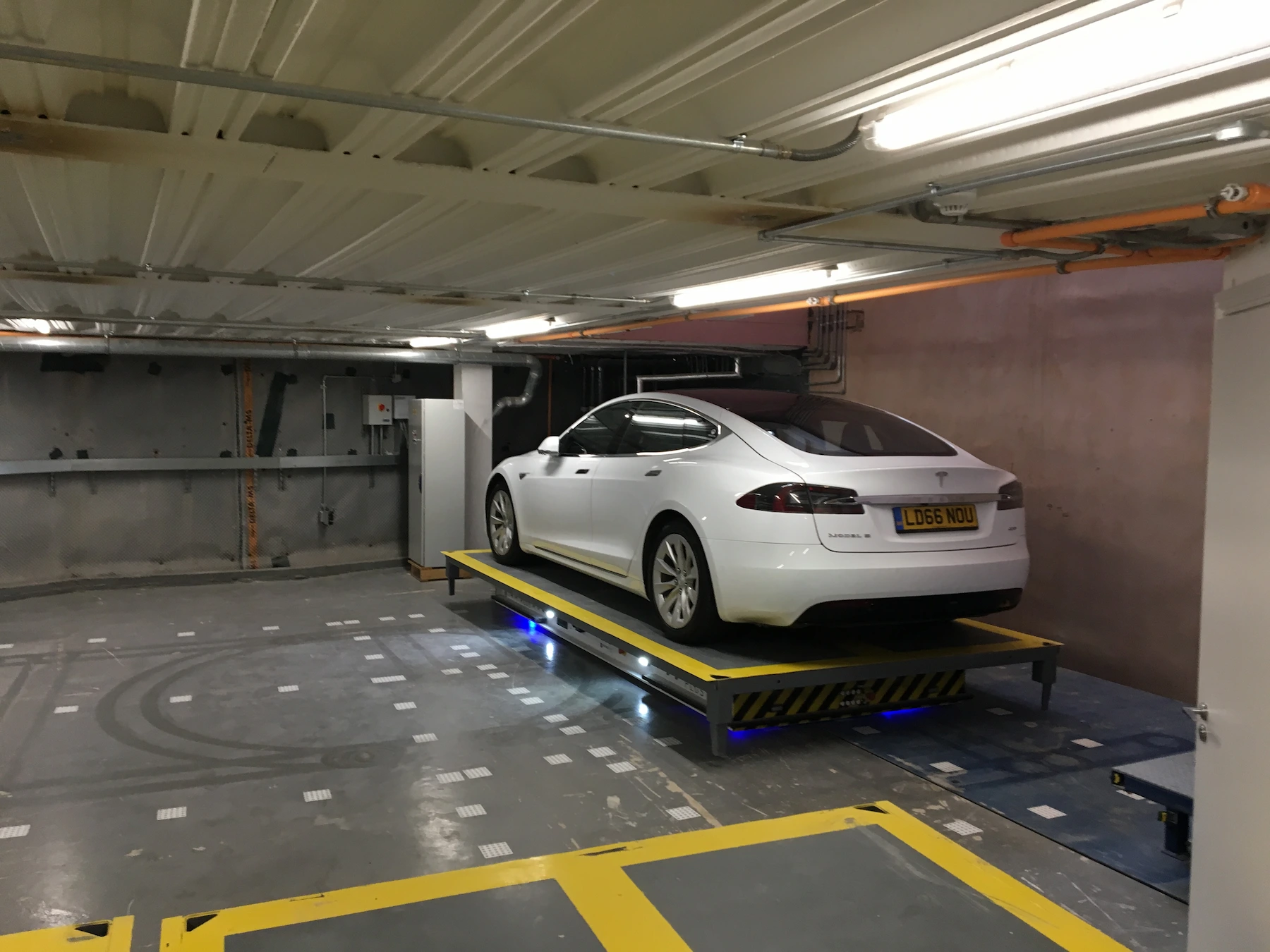
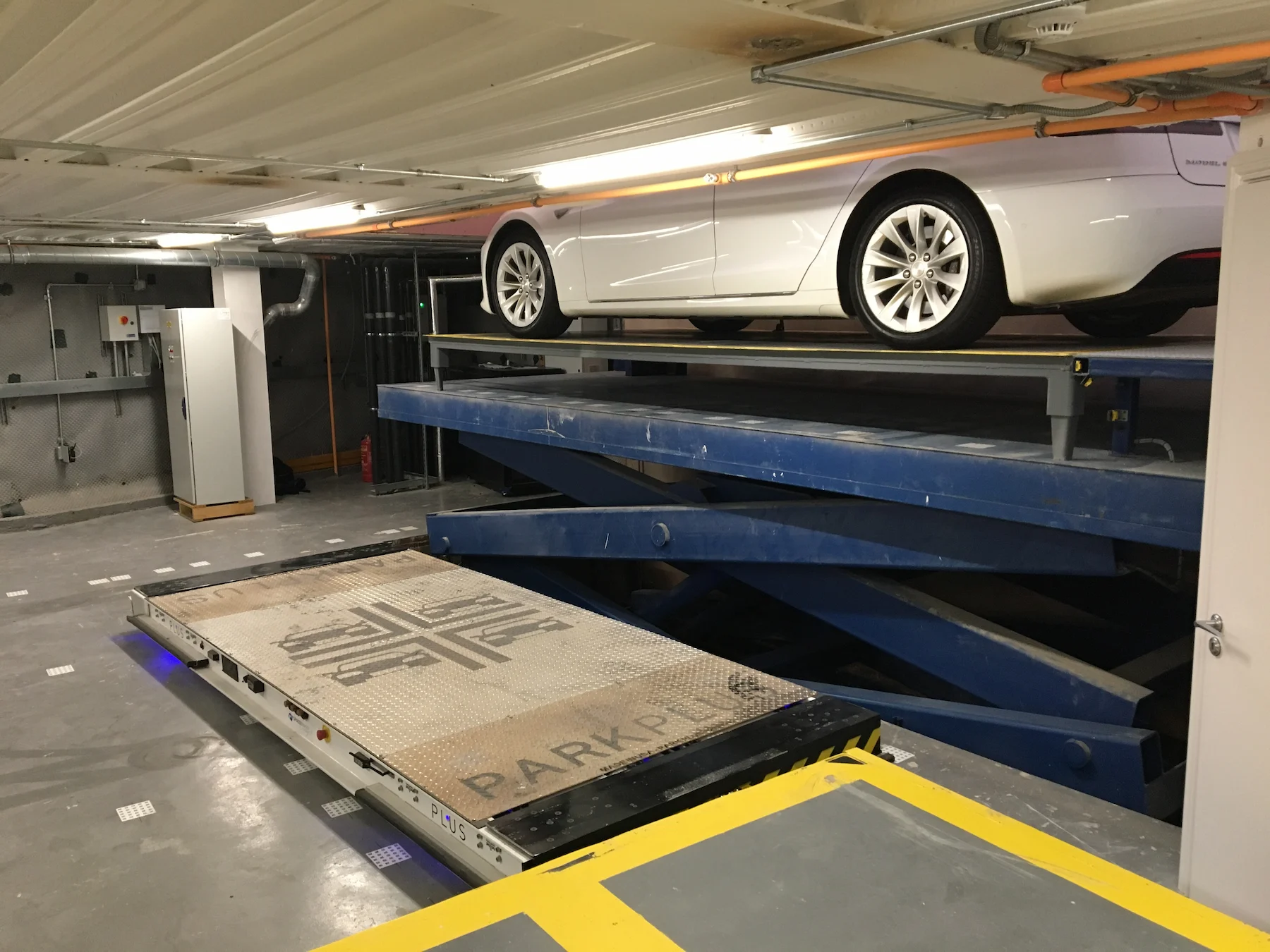
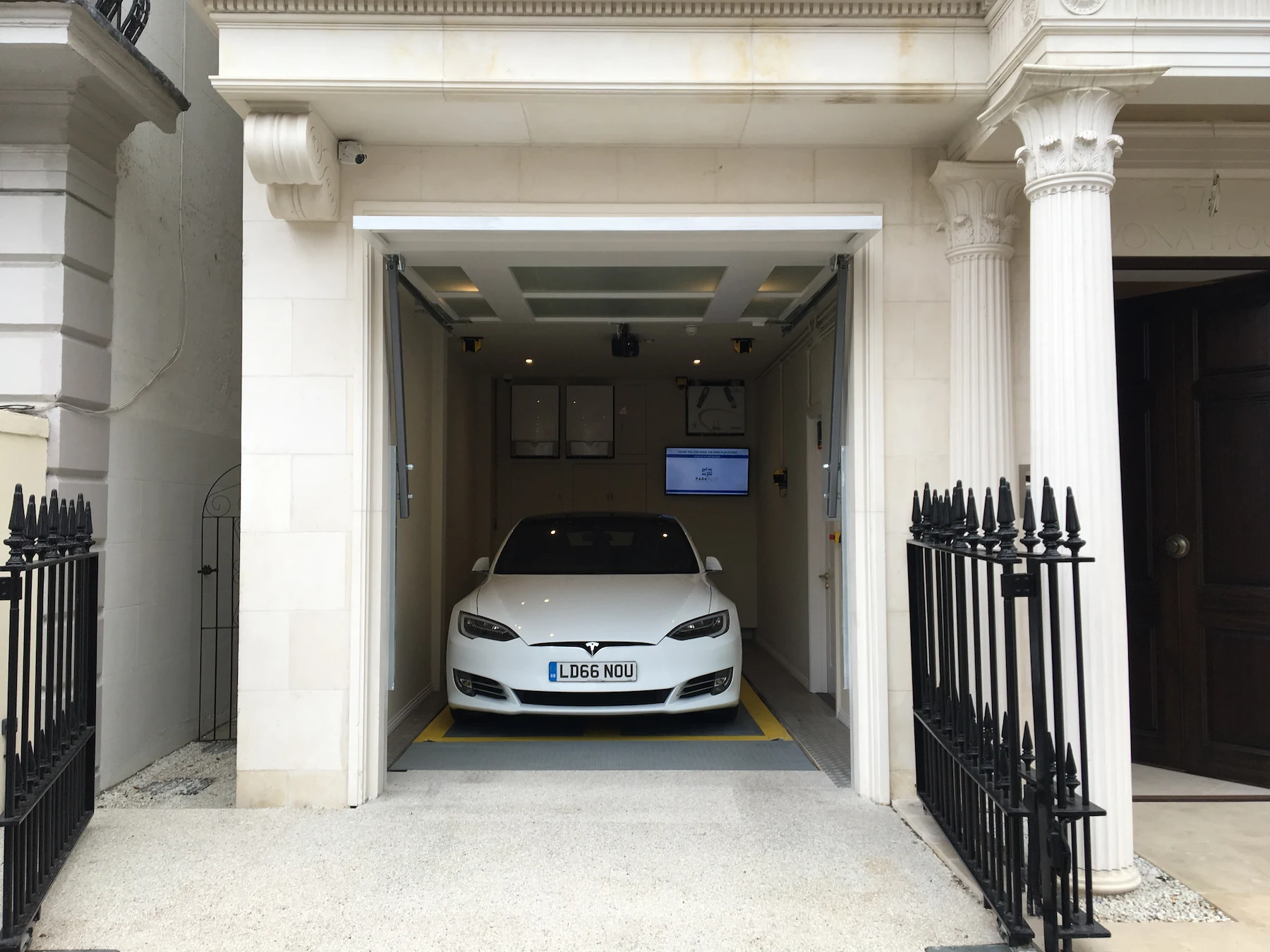
The Value Case
Notting Hill is among London’s most land-constrained and capital-intensive residential markets. The existing subterranean vault could not be enlarged, and a conventional replacement was not viable within the building envelope. The ParkPlus AGV system delivered three fully automated parking spaces within the fixed footprint, with no above-grade structural modifications and no increase to the vault’s physical dimensions.
The compressed installation timeline, from initial engagement to a fully operational system in under two months, resolved the outstanding construction issue on a property that subsequently listed at £35 million, reported at the time as the most expensive residential listing in Notting Hill. Automated operation also eliminated the need for any on-site parking attendant and provides round-the-clock retrieval via mobile app.
The £35 million listing figure is sourced from public reporting at time of sale. ParkPlus makes no claim regarding the contribution of the parking system to the property valuation. Value figures are project-specific and reflect conditions at time of completion.
See It in Action

A failed system inside a fixed vault
The subterranean parking vault at Havona House was already built and equipped with a robotic parking system that had proven defective. The project team faced three compounding constraints simultaneously: a vault that could not be expanded or structurally altered, a hard two-month deadline tied to the broader property timeline, and the requirement to coordinate installation through a specialist London-based partner. A conventional replacement was not viable given the fixed geometry of the B2 vault level, leaving ParkPlus as the only provider with a system that could be configured for the available space without modification to the structure.
AGV robotics deployed in eight weeks
ParkPlus engineered an AGV system matched to the existing vault dimensions. The free-roaming, battery-operated robots require no fixed tracks, pits, or embedded rail infrastructure, allowing them to be deployed within the vault as-built. Each unit uses laser sensors, vision systems, and floor-mounted markers to navigate autonomously, lifting vehicles on trays and rotating them into position without driver involvement. Working with CE Lift, ParkPlus completed installation within the required timeframe. Ongoing retrieval is managed via a mobile app, which summons the vehicle from the vault to the loading bay before the driver arrives.
System Specifications
Common questions about the Notting Hill system
How does an AGV automated parking system work?
An AGV (Automated Guided Vehicle) parking system uses free-roaming, battery-operated robotic units that navigate autonomously without fixed tracks or rails. At the Notting Hill residence, a vehicle is driven into the loading bay at street level, then lowered into the subterranean vault by a lift. Inside the vault, the AGV robot positions beneath the vehicle tray, lifts it, rotates it 180 degrees as needed, and drives it to the designated storage position. The entire process requires no driver input inside the vault.
The robots navigate using a combination of laser sensors, vision systems, and floor-mounted markers, coordinated by traffic management software. Retrieval is triggered on demand via a mobile app, which calls the vehicle from the vault to the loading bay before the driver arrives.
How many vehicles does the Notting Hill system accommodate?
The system stores three vehicles in a compact subterranean vault on the second basement level of the residence. The AGV configuration was designed to maximize capacity within the fixed vault dimensions, which could not be expanded or modified structurally as part of the installation.
What makes this installation historically significant?
The Notting Hill installation was the first ParkPlus AGV system deployed in Europe and the first robotic valet parking system of its kind in London. It was also a rescue installation: ParkPlus replaced a defective robotic parking system that had been previously installed, engineering and completing the new system within a two-month deadline in one of the world’s most logistically demanding urban environments.
Can AGV systems be installed in existing below-grade structures?
Yes. The infrastructure-light design of the ParkPlus AGV, which requires no fixed tracks, pits, or embedded rail systems, makes it well-suited to retrofit applications in existing subterranean structures. The Notting Hill project is a direct example: the AGV was installed within a vault that had already been constructed to a fixed geometry, with no structural modifications to the building. ParkPlus engineers each system to the specific dimensions and constraints of the site.
Ready to discuss your project?
Every ParkPlus system is custom-engineered to the site. Talk to our team about your project requirements, site constraints, and system options.