

Where AGV automated parking in America began
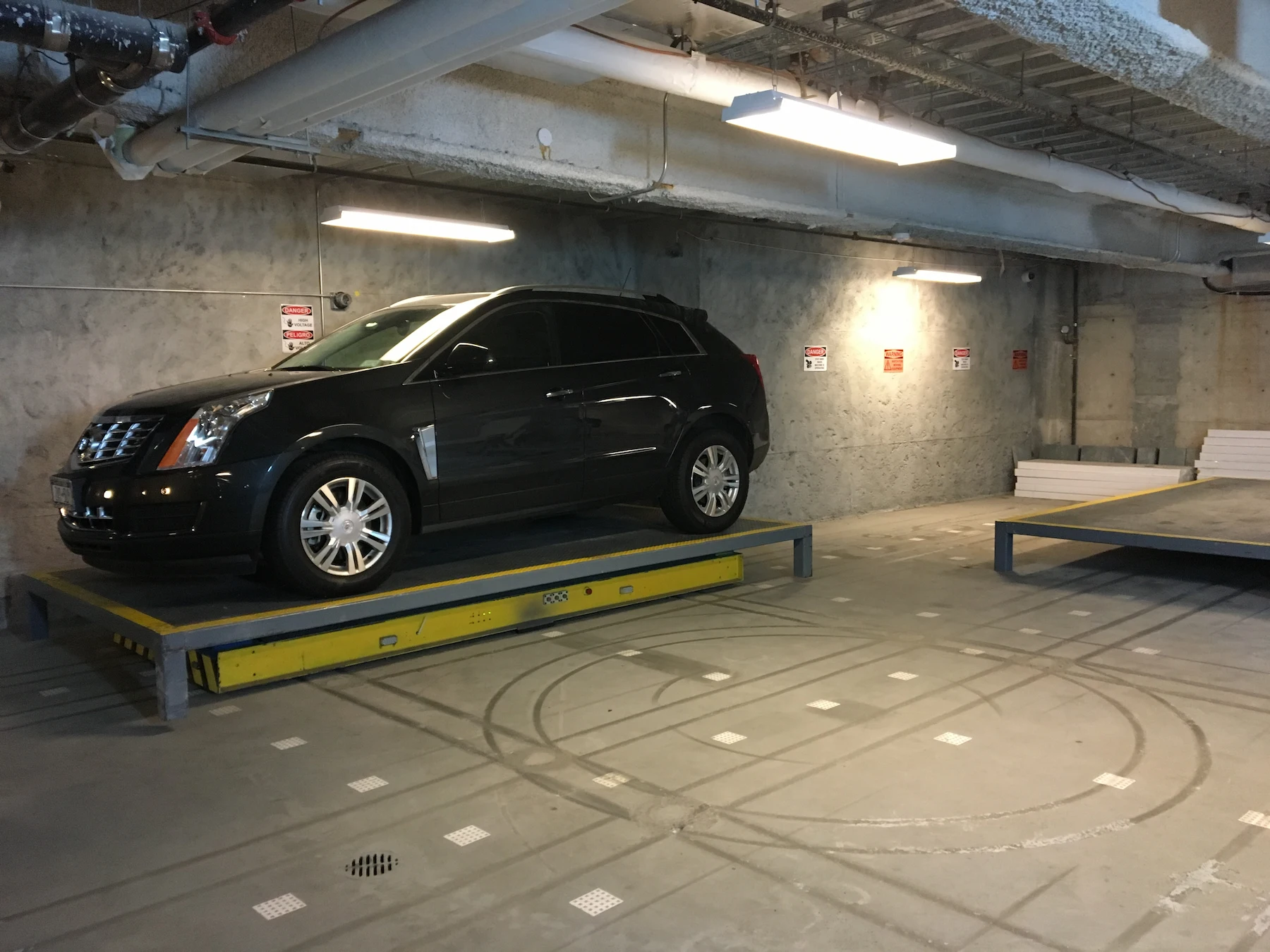
30 Henry Street is a five-story condominium in Brooklyn Heights, one of Brooklyn’s most established residential neighborhoods. In 2012, ParkPlus installed a six-space AGV automated parking system on the subterranean level of the building, using free-roaming robotic units to handle vehicle storage and retrieval without any driver involvement below street level.
This installation holds two distinctions that no other project in the US can claim. It was the first ParkPlus AGV system ever completed, and it was the first AGV automated parking system of any kind to be built in the United States. Every AGV project that has followed, including Brickell House in Miami (411 spaces, the world’s largest), the Upper West Side, the Upper East Side, and more than a dozen other installations across New York, traces its lineage to what ParkPlus engineered and commissioned here in Brooklyn.
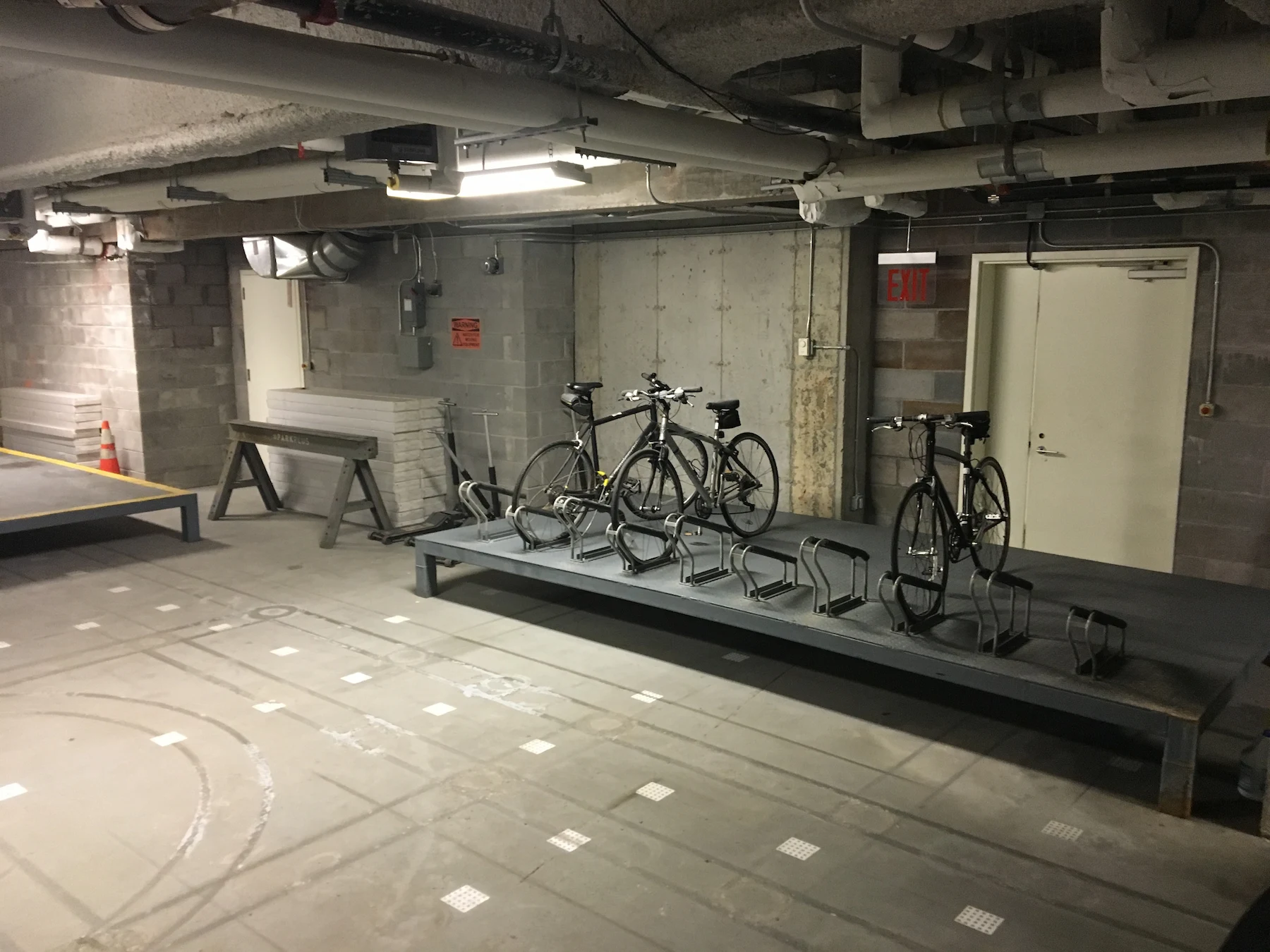
The system also includes an automated bike rack for residents, integrating bicycle storage into the same automated level as the vehicle parking. Completed in 2012, the system has been in continuous operation for over a decade.
First ParkPlus AGV system ever completed. First AGV automated parking system in the United States. Installed 2012, Brooklyn, New York.
Project Photos
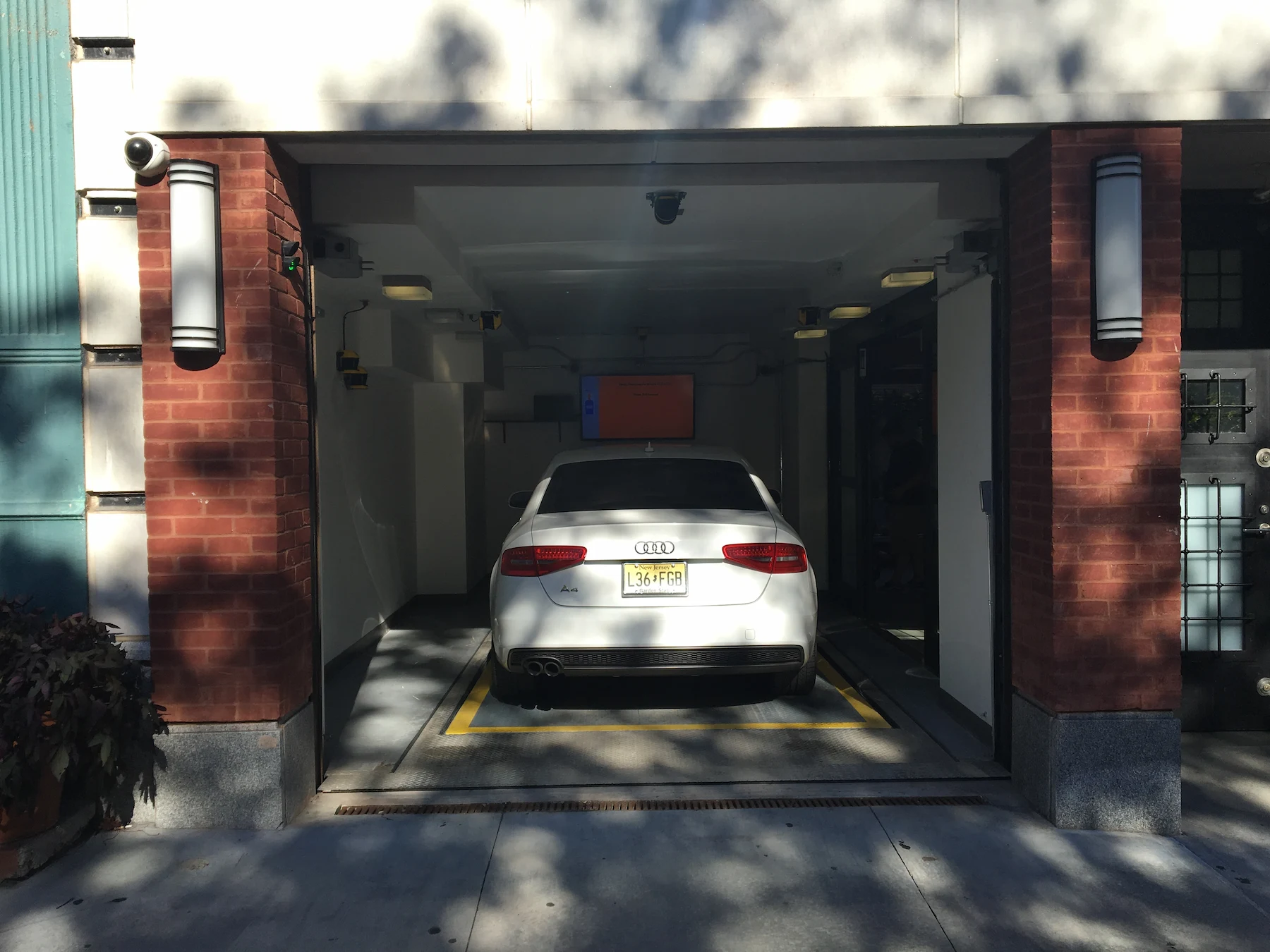
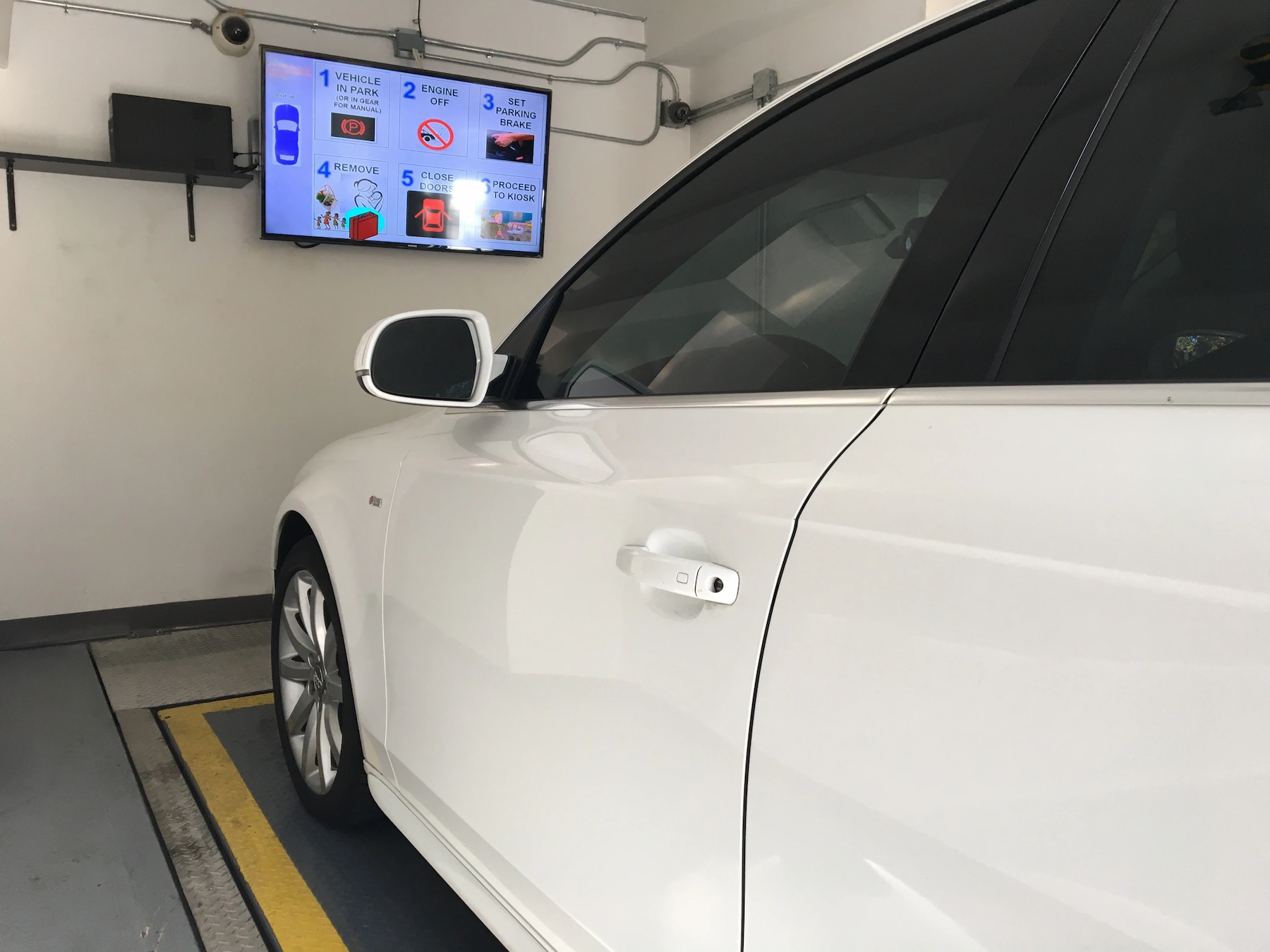
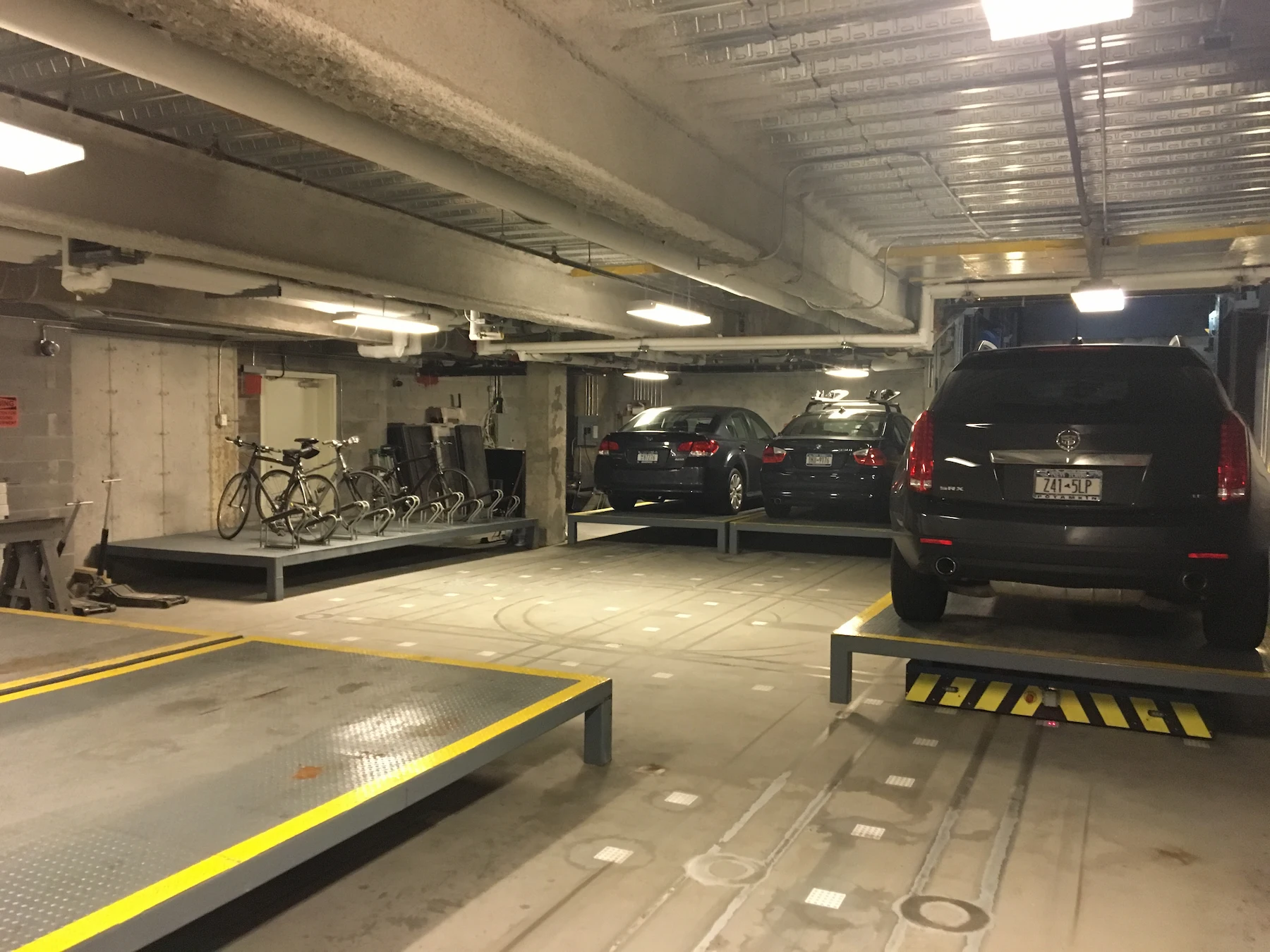
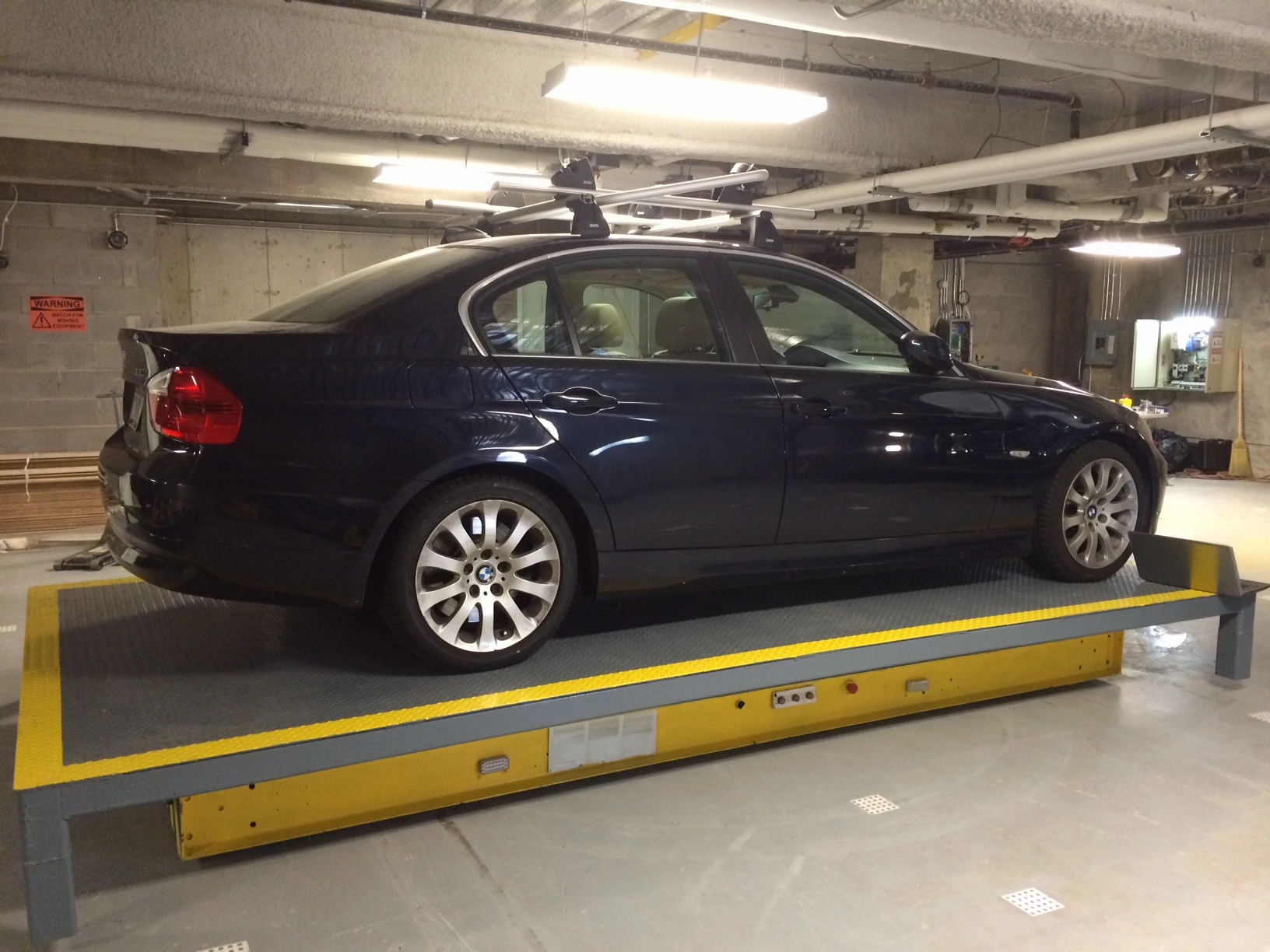
The Value Case
In a five-story residential building in Brooklyn Heights, the subterranean level represents some of the most difficult and expensive space in the building envelope. Fitting six parking spaces into a below-grade footprint that would conventionally require drive aisles, turning radius, and attendant access required an approach that conventional parking systems could not deliver. The ParkPlus AGV eliminated those clearance requirements entirely, delivering six fully functional spaces within the available vault dimensions.
The automated bike rack provides an additional benefit specific to this building’s resident profile: secure, automated bicycle storage on the same level as vehicle parking, accessible through the same system, without requiring a separate room or manual handling operation. For a boutique residential building in one of Brooklyn’s most walkable and cycle-friendly neighborhoods, this kind of integrated amenity has tangible value to residents.
This project is the founding installation of ParkPlus’s AGV program in the United States. The value it demonstrated validated the technology for a market that now includes the world’s largest AGV parking installation at Brickell House in Miami.
See It in Action

Six spaces underground, no precedent in America
The subterranean level at 30 Henry Street needed to deliver six parking spaces for residents of a boutique condominium in a neighborhood where below-grade space is both scarce and expensive. A conventional below-grade parking arrangement would have consumed the entire vault footprint in ramps, drive aisles, and turning clearances, with little space left for the vehicles themselves. The building also required bicycle storage for residents, adding a second functional requirement to the same constrained level. At the time, there was no completed AGV parking installation anywhere in the United States to reference, no proven contractor network, and no established playbook for commissioning this technology in the American market.
AGV robotics and automated bike storage, built from the ground up
ParkPlus engineered and installed the first AGV automated parking system in the United States at 30 Henry Street. The free-roaming, battery-operated robots require no fixed tracks, ramps, or turning clearances, allowing six vehicle spaces to be packed into the available subterranean footprint. ParkPlus also designed an automated bike rack integrated into the same level, giving residents automated bicycle retrieval alongside their vehicle storage. The project established the full operational and installation framework that ParkPlus has applied to every AGV project since, from small residential vaults to the 411-space system at Brickell House in Miami.
System Specifications
Common questions about the Henry Street system
Was 30 Henry Street really the first AGV parking system in the United States?
Yes. The ParkPlus AGV installation at 30 Henry Street, completed in 2012, was both the first ParkPlus AGV project ever and the first AGV automated parking system of any kind to be commissioned and operate in the United States. Every AGV parking project in the country since then, including installations in Manhattan, Miami, Los Angeles, and beyond, followed the operational and technical framework established at Henry Street.
How does the automated bike rack work alongside the vehicle parking system?
The automated bike rack at 30 Henry Street is integrated into the same subterranean level as the vehicle parking system. Residents deposit their bicycle at the entry interface, and the system stores it in the automated rack. Retrieval works the same way: the resident requests the bike via the building’s access interface, and the system returns it. Vehicle and bicycle storage share the automated level without competing for space, eliminating the need for a separate manual bike room elsewhere in the building.
How has the ParkPlus AGV program grown since Henry Street?
Since the first installation at 30 Henry Street in 2012, ParkPlus has completed AGV systems ranging from small residential vaults to the 411-space system at Brickell House in Miami, which is the world’s largest and tallest AGV parking installation. ParkPlus has completed 14 automated systems on Manhattan island alone and has installed AGV systems across New York, Florida, California, and internationally, including the first AGV system in Europe in Notting Hill, London. The Henry Street project established the full commissioning and operational framework that all subsequent ParkPlus AGV projects have built on.
What is the long-term reliability of AGV parking systems?
The Henry Street system has been in continuous residential operation since 2012, providing over a decade of real-world reliability data for this technology in an American urban environment. ParkPlus provides ongoing service and maintenance support for all installed systems. As a full turnkey provider, ParkPlus manages the full lifecycle of each installation from design and installation through commissioning and long-term support.
Ready to discuss your project?
Every ParkPlus system is custom-engineered to the site. Talk to our team about your project requirements, site constraints, and system options.