


 844-472-7575
Maximizing Return on Investment Through Smart Parking Solutions
Automated and mechanical parking systems deliver compelling financial returns by transforming how buildings utilize space, reduce operational costs, and enhance property value. Understanding the return on investment (ROI) across multiple dimensions helps property owners make informed decisions about parking infrastructure.
Efficiency and Cost Savings
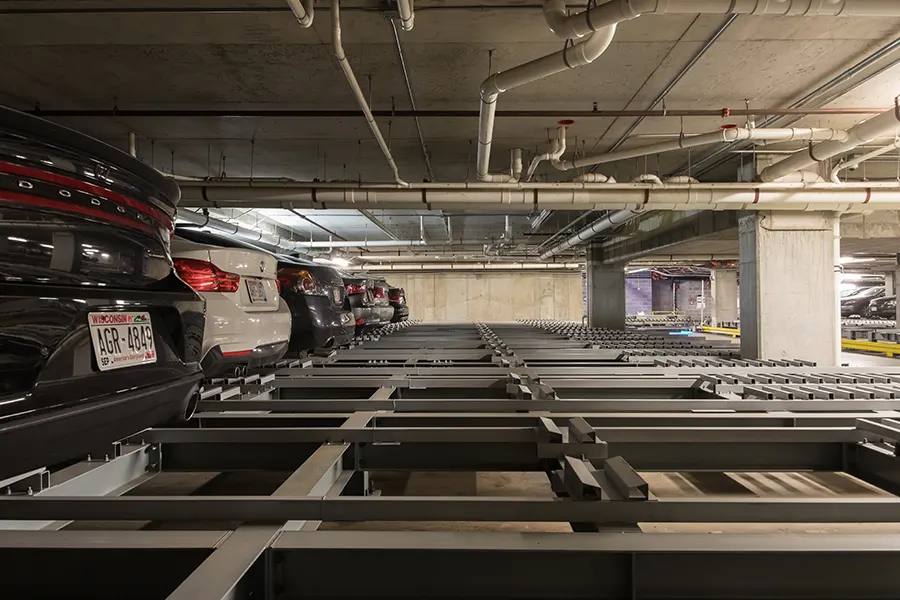
Traditional parking requires approximately 300-350 square feet per vehicle when accounting for drive aisles, ramps, and circulation space. Automated parking systems reduce this footprint to just 160-180 square feet per vehicle—a 60-80% space reduction. This efficiency translates directly to construction cost savings, as developers can dedicate valuable square footage to revenue-generating uses like additional residential units, retail space, or office areas rather than parking infrastructure.
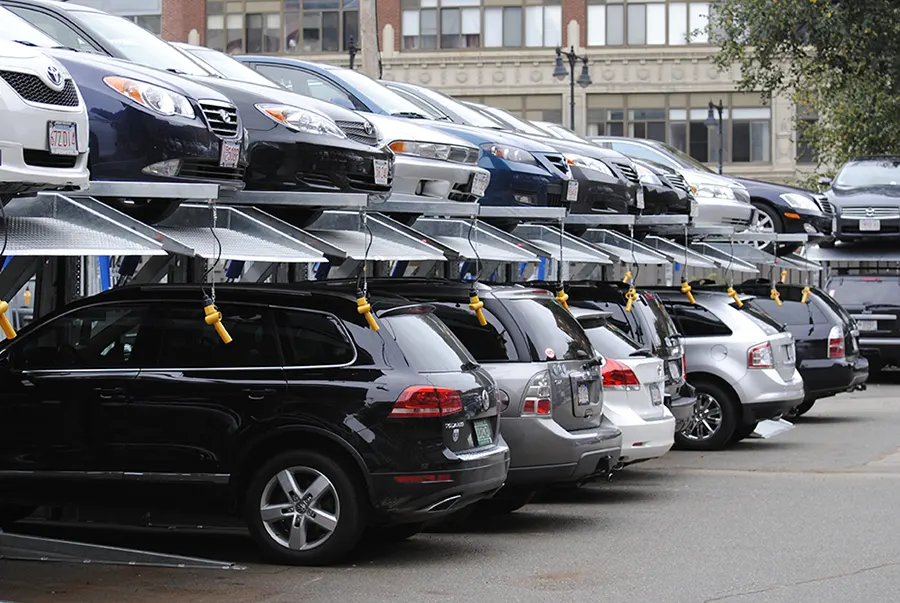
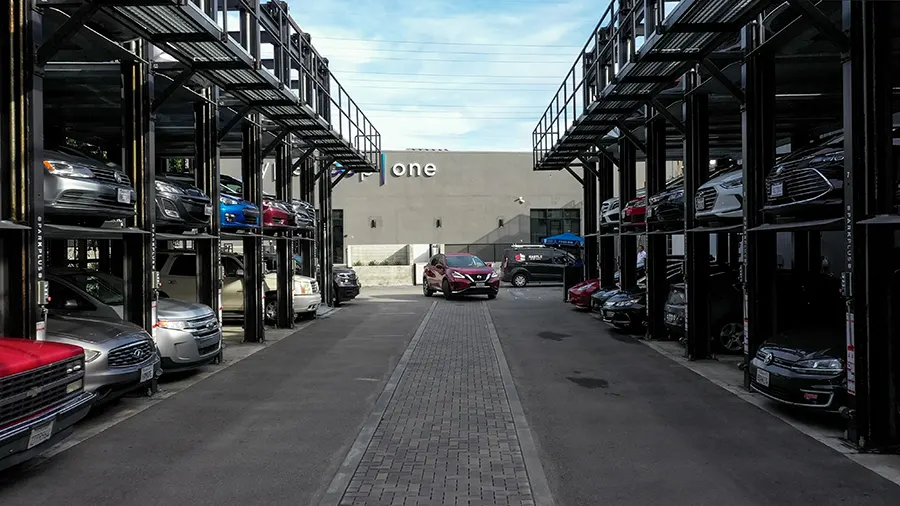
Mechanical parking systems, while requiring operator involvement, still deliver 40-50% space savings compared to conventional parking. The elimination of ramps and reduced aisle requirements significantly lowers construction costs for lighting, HVAC, fire suppression systems, and structural elements.
Operational Cost Reduction
Both automated and mechanical systems minimize ongoing operational expenses. Reduced parking footprints require less lighting, climate control, and security monitoring. The enclosed nature of mechanical stackers and fully-automated systems protects vehicles from weather damage, theft, and vandalism—reducing insurance costs and liability exposure.
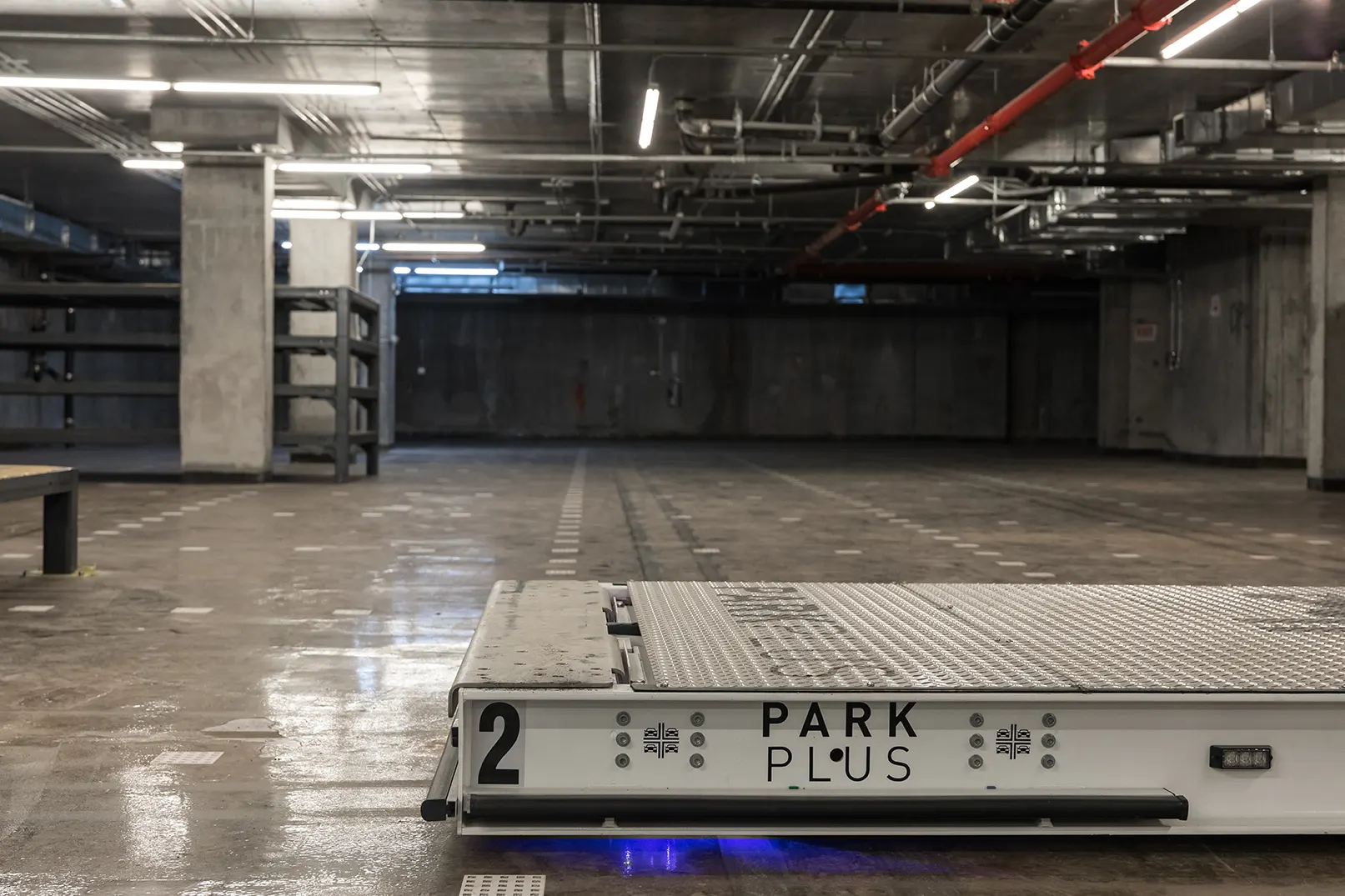
Automated systems eliminate the need for parking attendants while providing 24/7 operation through intelligent traffic management software. Property managers benefit from remote monitoring capabilities and smartphone-based vehicle retrieval, reducing staffing requirements and improving user experience.
Property Value Enhancement
Buildings equipped with automated or mechanical parking command premium rents and higher property valuations. The combination of increased density, reduced operational costs, and enhanced user experience creates measurable value appreciation. For residential properties, secure automated parking serves as a luxury amenity that justifies higher pricing.
The typical payback period for mechanical systems ranges from 3-7 years, while automated systems achieve ROI within 7-12 years when accounting for construction savings, operational efficiencies, and enhanced property values—making both solutions financially compelling for forward-thinking developers.
Planning a new development or looking to increase parking density without expanding your footprint?
Talk to Park Plus About Smart Parking Solutions